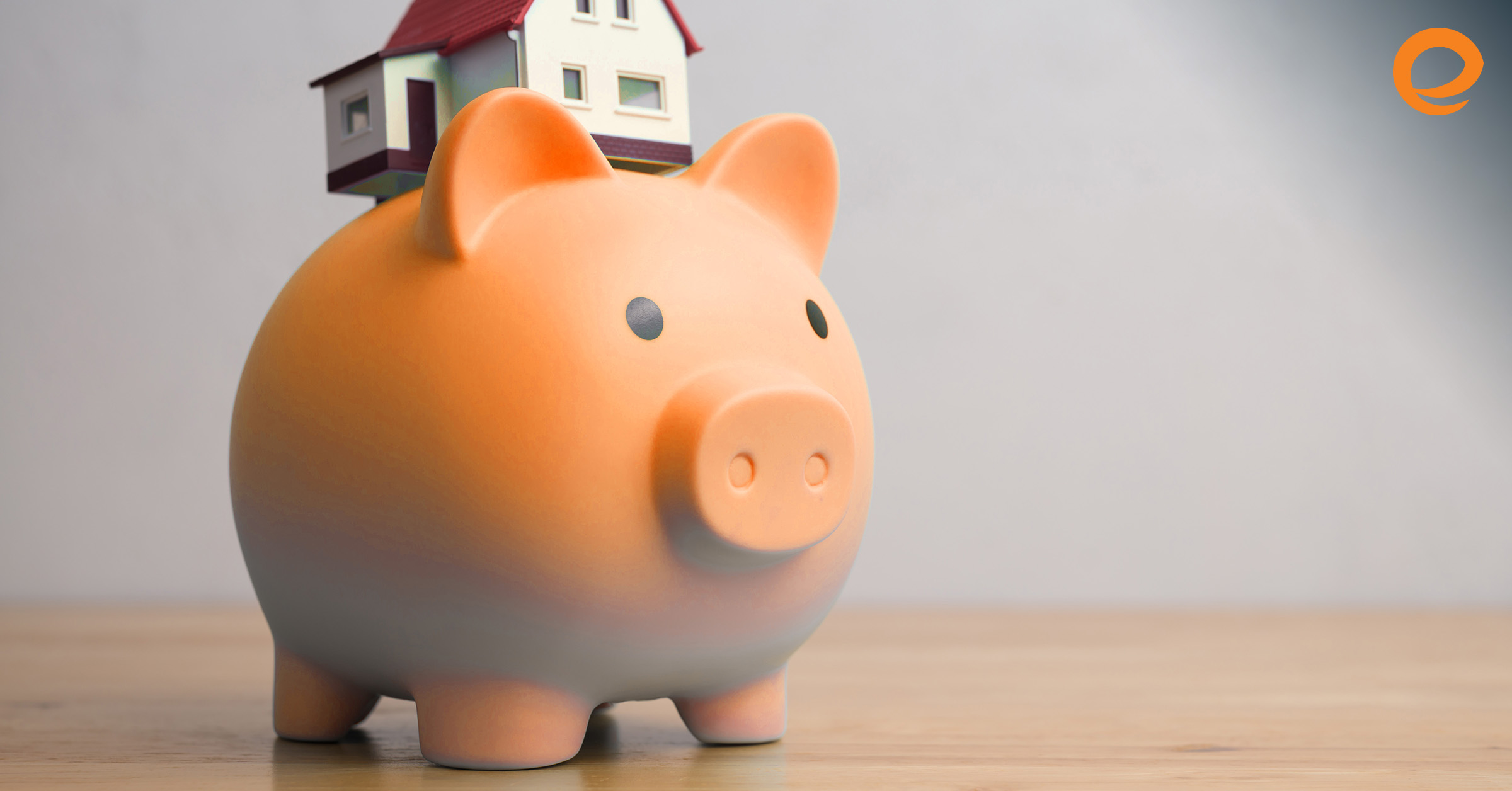
As home prices continue to rise in 2026, saving for a down payment can feel daunting. Even loans with low down payment requirements can require thousands of dollars upfront. For example, a 5% down payment on a $200,000 home is $10,000 — but if the home price rises to $250,000, that same 5% will equal $12,500.
Fortunately, there are programs, tools, and creative strategies to help buyers cover or offset the costs of a down payment, especially for first-time buyers or those facing financial challenges.
How to Save for Your Down Payment
Saving for a down payment doesn’t have to be impossible. While rising home prices and student loan debt can make it tougher, many buyers get creative — using apps, assistance programs, side income, or even gifts from friends and family — to reach their goals faster.
Here are some ways to make saving more achievable in 2026:
1. Crowdfund Your Down Payment
Crowdfunding isn’t just for startups. Platforms like GoFundMe and HomeFundIt allow buyers to raise money for a down payment or home improvement projects.
It’s a modern way to leverage your network to reach your homeownership goals without taking on additional debt.
2. Receive Contributions Instead of Gifts
Couples or individuals can ask for financial contributions toward a down payment in lieu of traditional gifts. Services like HoneyFund and Feather the Nest let family and friends contribute to your home savings fund.
This approach works well for weddings, birthdays, or other milestone celebrations.
3. Automate Your Savings with Apps
Savings apps make it easy to grow your down payment fund:
- Acorns – Rounds up purchases and invests the difference.
- Oportun – Automatically saves small amounts based on your spending habits.
- Chime – Offers round-up and automatic transfer tools.
- Mint – Helps track and automate savings.
Tip: Many apps now offer high-yield micro-investment options, which can accelerate growth without much risk.
4. Round-Up Programs
Some banks, like Bank of America’s Keep the Change®, round up your purchases to the nearest dollar and transfer the difference into savings. Over time, these small amounts add up to hundreds or even thousands toward a down payment.
5. Side Hustles & Gig Work
Platforms like Uber, Lyft, DoorDash, Shipt, or freelance marketplaces can supplement your income. Many buyers use this additional cash to fund down payments, closing costs, or emergency reserves for homeownership.
6. Accept Monetary Gifts
Gifts from family, friends, or significant others can count toward your down payment. Check your loan type for specific rules. Gifts from non-relatives are sometimes allowed but usually stricter.
7. First-Time Homebuyer Savings Accounts & FHA Programs
Some states and the Federal Housing Administration (FHA) allow family and friends to deposit funds directly into a first-time homebuyer account. These accounts function like registries, letting you collect money toward your home instead of traditional gifts.
8. Borrow from Retirement Accounts
First-time homebuyers may be able to access up to $10,000 from an IRA for a down payment without penalties. Those with a 401(k) may borrow funds but must follow repayment rules. Use caution to ensure you don’t jeopardize retirement savings.
9. Sell Personal Assets
Consider selling items you no longer need, like electronics, collectibles, or vehicles. Even small sales can make a meaningful contribution toward your down payment.
Saving for a Down Payment With Irregular Income
If you have an irregular or fluctuating income (freelance, gig, or seasonal work), saving is still possible with planning:
- Adjust your budget: Use an average monthly income to estimate what you can realistically save.
- Be flexible: Some months you may save less — but aim to put something aside each month.
- Use windfalls: Bonuses, tax refunds, or side income can accelerate savings.
- Savings apps help: Round-up apps work well, even with irregular income.
- Separate accounts: Keep your down payment fund in a different account to avoid spending it impulsively.
Down Payment Assistance Resources
Even if saving is difficult, you may qualify for programs that help with down payments.
Low or No Down Payment Mortgage Loans
- USDA Loans – No down payment and low interest rates for eligible rural areas.
- VA Loans – No down payment for active-duty military or veterans.
- Conventional 3% Down Programs – Programs like Fannie Mae HomeReady or Freddie Mac Home Possible make homeownership more accessible.
State & Local Assistance Programs
Many states, cities, counties, and nonprofits offer down payment assistance and grants that sometimes include closing costs. Programs can include:
- Forgivable second mortgages
- Zero-interest loans
- Grants (don’t need to be repaid)
Tip: Check the National Council of State Housing Agencies for state-specific programs, or explore your city’s housing department for local grants.
Bottom Line
Saving for a down payment in 2026 can feel challenging, but with the right mix of apps, creative strategies, assistance programs, and side income, it’s entirely achievable.
Before committing to any program, review repayment terms and speak with a HUD-approved housing counselor or an Embrace Home Loans representative. They can help you identify down payment options and financing strategies tailored to your situation.
With the right plan, your dream home is closer than you think.