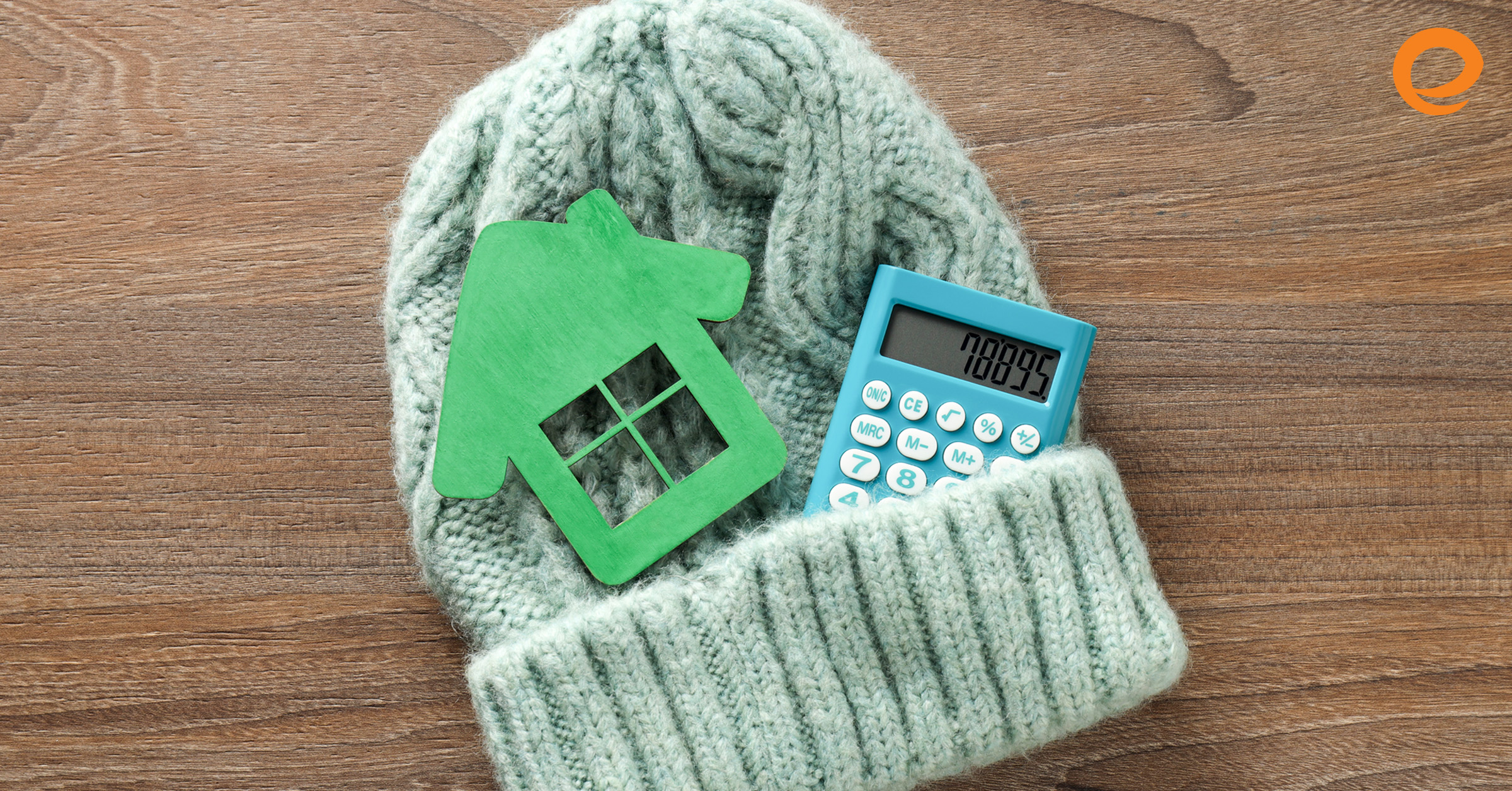
Winter has arrived. And although temperatures are expected to be warmer than average in many areas, homeowners are still always looking for ways to keep warm without breaking the bank. In this blog post, we’ll explore expert-recommended tips to help you save on winter heating costs and keep your budget intact.
National Outlook and Current Conditions
Before diving into the money-saving strategies, let’s take a look at the general winter outlook. According to the NOAA Climate Prediction Center (CPC), this year’s La Niña is expected to be weaker and shorter in duration, making it somewhat difficult to forecast months in advance. What federal forecasters do know so far is that large swaths of the South and the East Coast are favored to see warmer-than-average temperatures this winter.

The 2025 Old Farmer’s Almanac sees things a little differently and predicts winter will be cooler than normal in the East and warmer than normal in the West.
For more accurate and location-specific forecasts, you can check resources like the National Weather Service (NWS) or visit the NOAA Climate Prediction Center.
Estimated Costs and Savings of Heating Bill Tips
Now, let’s delve into practical ways to save on heating costs. The estimated costs and potential savings vary based on factors like home size, climate zone, and current energy efficiency. Here’s a breakdown to give you an idea:
- Lower Thermostat: Free (with programmable thermostat: $50-$200) – 10% annual heating bill reduction.
- Seal Air Leaks: $10-$50 for materials – Up to 15% heating bill reduction.
- Add Insulation: $100-$1000 (depending on area) – Up to 30% heating bill reduction.
- Maintain Heating System: $50-$200 for annual tune-up – Up to 5% heating bill reduction.
- Space Heater: $50-$200 – Varies depending on usage, can offset heating costs in specific rooms.
- Natural Light: Free – Reduces reliance on artificial heating.
Maximize Savings and Additional Factors
To enjoy max savings, consider factors such as home size, climate zone, current energy efficiency, and fuel type. Larger homes in colder climates with poor insulation or inefficient heating systems stand to benefit more from these improvements.
Start with low-cost options, combining multiple strategies, and seeking professional help for a personalized assessment are key steps in maximizing savings.
Sources and Transparency
The figures provided for estimated costs and savings come from reputable sources, including government agencies like the United States Department of Energy (DOE), industry sources like the National Insulation Association, and consumer reports. It’s crucial to note that these figures are averages and may vary based on individual circumstances.
Stay Warm, Stay Informed
If you’re in the market for a new home purchase or considering refinancing, now is a good time to explore your options. Contact your local loan officer at Embrace Home Loans for a wide variety of traditional and unconventional programs designed to help borrowers make smarter borrowing choices. Our expertise can guide you through the process, ensuring you find the right solution for your unique needs.
Let’s make this winter a season of savings!