If you’re thinking about buying a home, one of the first questions you probably have is:
“How much mortgage can I actually afford?”
The answer isn’t based solely on your salary.
Lenders look at your overall financial picture, including your income, monthly debts, credit history, down payment, and the expected costs of owning the home. Just as importantly, the amount you’re approved to borrow isn’t always the amount you should spend. The goal is to find a monthly payment that fits comfortably within your budget and supports your long-term financial goals.
Here are seven factors that influence your homebuying budget.
1. Your Income Is the Starting Point
Your household income helps determine how much you may be able to borrow.
Lenders typically review stable, verifiable income when evaluating your application. This may include salary, hourly wages, self-employment income, bonuses, commissions, or other qualifying sources, depending on your situation.
Income is important, but it’s only one piece of the affordability equation.
2. Your Monthly Debt Matters, Too
Lenders also look at your existing monthly obligations.
This includes expenses like:
- Car loans
- Student loans
- Credit card minimum payments
- Personal loans
- Child support or other qualifying obligations
This comparison between your income and recurring debt is known as your debt-to-income (DTI) ratio, and it’s one of the key factors used to determine affordability.
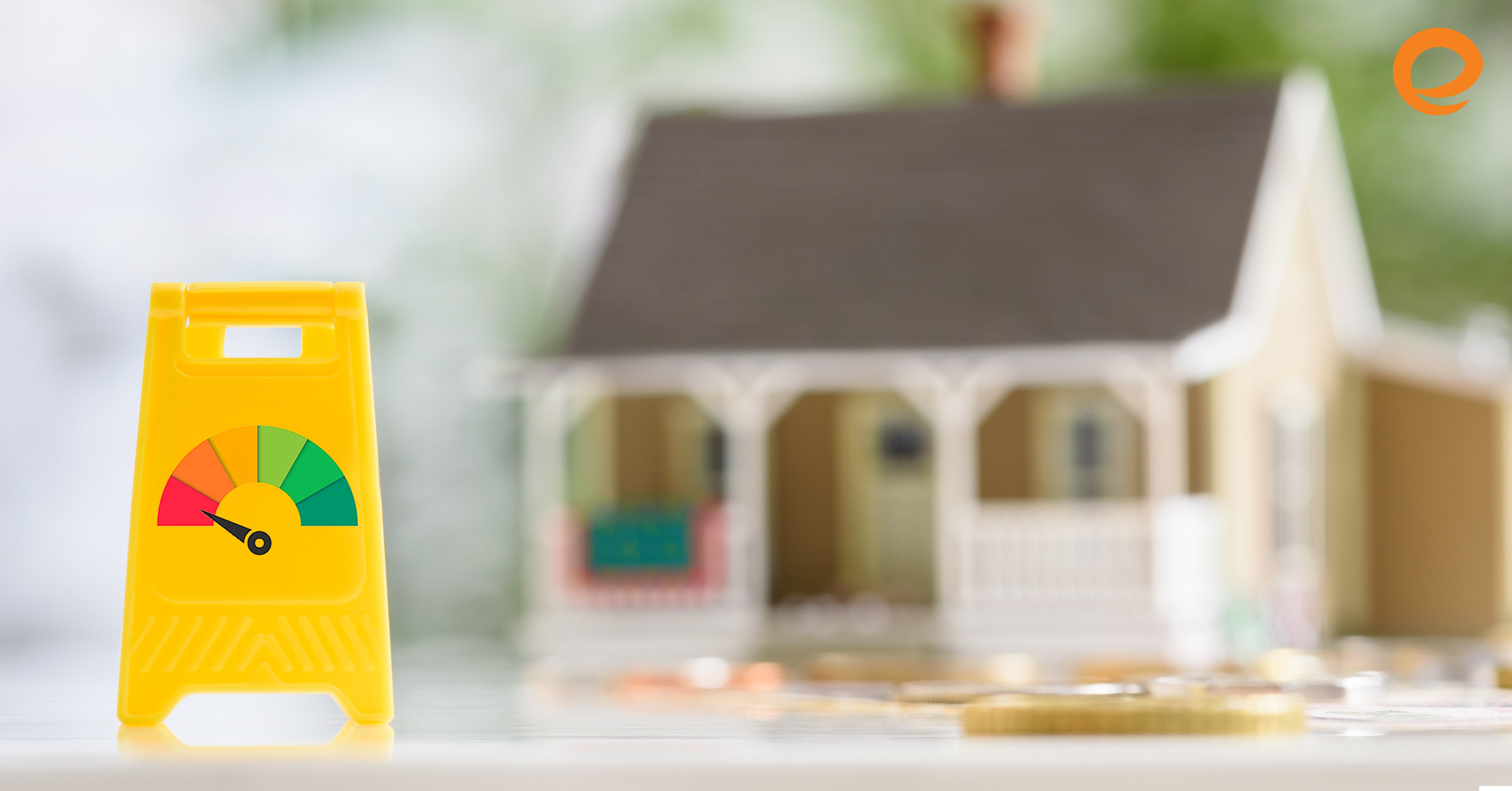
3. Your Credit Score Can Impact Your Options
Your credit score doesn’t just affect whether you qualify for certain loan programs. It can also influence the financing options available to you.
If you’re planning to buy in the next six to twelve months, now is a great time to:
- Pay bills on time
- Reduce outstanding credit card balances
- Review your credit report for errors
- Avoid opening unnecessary new accounts
Even modest improvements to your credit profile may expand your available options.
4. Your Down Payment Makes a Difference
Many buyers believe they need a 20% down payment to purchase a home.
In reality, there are a variety of loan programs that may require less for qualified borrowers.
A larger down payment can reduce the amount you borrow and may lower your monthly payment, but it isn’t the only path to homeownership. Your loan officer can help explain which options fit your financial situation.
5. Don’t Forget the Full Monthly Housing Payment
When budgeting for a home, look beyond the mortgage itself.
Your monthly housing costs may also include:
- Property taxes
- Homeowners insurance
- Mortgage insurance, if applicable
- HOA dues
- Utilities
- Ongoing maintenance
Considering the full cost of homeownership can help you choose a budget that feels comfortable both today and in the years ahead.
6. Your Lifestyle Should Shape Your Budget
Just because you qualify for a certain loan amount doesn’t mean you have to spend it.
Think about your other financial goals.
Do you want to:
- Travel regularly?
- Save for retirement?
- Build an emergency fund?
- Pay for childcare?
- Remodel your future home?
Choosing a home that fits comfortably within your lifestyle can provide greater financial flexibility over time.
7. A Mortgage Calculator Is a Great Starting Point, But Preapproval Gives You the Full Picture
Online affordability calculators are helpful for estimating your buying power.
However, they can’t account for every detail of your financial situation.
Getting preapproved provides a more personalized understanding of:
- Your estimated price range
- Potential loan programs
- Estimated monthly payment
- Documentation you’ll need
- Any steps you can take to strengthen your application
Many buyers discover they’re able to purchase more than they expected, while others appreciate knowing their budget before they begin touring homes. Either way, having a clear understanding of your buying power helps you shop with confidence.
Ready to Find Your Homebuying Budget?
Understanding what you can comfortably afford is one of the best ways to start your homebuying journey.
At Embrace Home Loans, our loan officers take the time to understand your financial goals, explain your financing options, and help you determine a price range that fits your budget. Whether you’re buying your first home or your next one, we’re here to help you make informed decisions with confidence.
The Bottom Line
There’s no one-size-fits-all answer to “How much mortgage can I afford?”
The right budget depends on your income, debts, credit profile, down payment, and long-term financial goals.
By understanding these factors before you start house hunting, you’ll be better prepared to find a home that fits both your lifestyle and your budget.