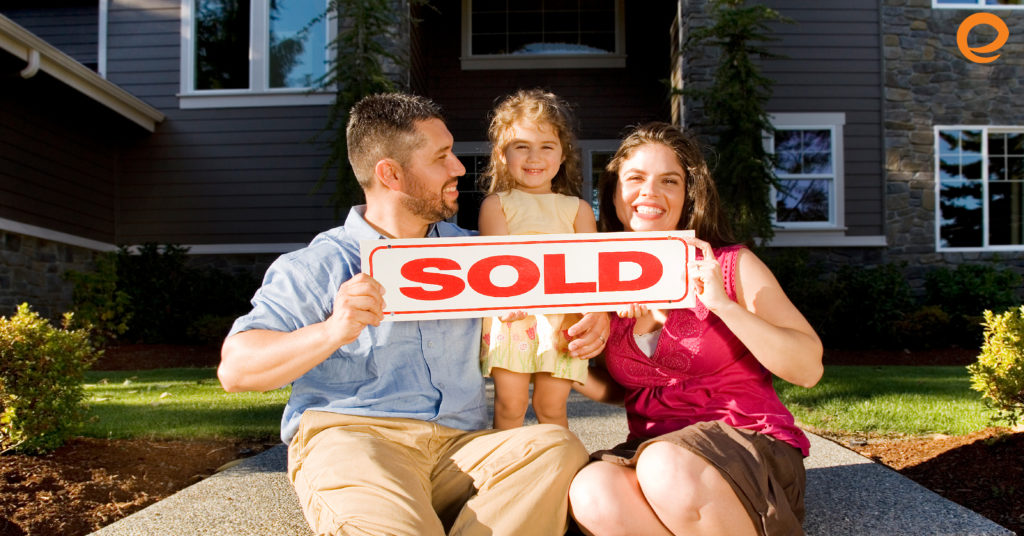

If you've been renting and are starting to wonder whether buying a home makes sense, you don't need to have everything figured out before exploring your options.
You don't need perfect credit. You don't necessarily need a huge down payment. And you don't have to know exactly which home you want to buy.
What you do need is a realistic picture of your finances, your goals, and what buying a home could look like for you.
Here are five steps to help you get started.
1. Take an Honest Look at Your Finances
Before looking at homes, look at your current monthly budget.
Start with:
- Rent
- Utilities
- Car payments
- Credit cards
- Student loans
- Insurance
- Groceries
- Other recurring expenses
Then think about how a mortgage payment would fit into that picture.
Remember, owning a home comes with more than a mortgage payment. You'll also want to account for property taxes, homeowners insurance, maintenance, and potentially HOA fees.
The goal isn't to find the biggest mortgage you could potentially qualify for.
It's to understand what monthly housing cost feels manageable for your budget.
2. Know Where Your Credit Stands
Your credit history is one of the factors lenders consider when evaluating a mortgage application.
Before you apply, review your credit reports for errors and understand where you stand.
If your credit isn't where you'd like it to be, don't automatically assume homeownership is off the table.
Different loan programs have different requirements, and lenders consider multiple factors when evaluating an application.
If you're thinking about buying in the next year or two, having an early conversation with a loan officer can help you understand what you're working with and whether there are areas worth improving.
3. Start Saving, But Don't Assume You Need 20%
One of the biggest misconceptions about buying a home is that you need to save 20% before you can buy.
That's not necessarily the case.
Down payment requirements vary based on the loan program, borrower qualifications, property, and other factors. Some qualified buyers may have options that require a smaller down payment.
You'll also want to plan for closing costs and other upfront expenses.
Instead of picking an arbitrary savings number, talk with a mortgage professional about what your potential upfront costs could look like.
That gives you a much more useful savings goal.
4. Figure Out What You Could Afford Before You Start Shopping
This is where a conversation with a lender can make a big difference.
A preapproval can help you understand potential financing options and establish a price range to use when you begin looking at homes.
But there's an important distinction:
What you may be approved to borrow and what you personally feel comfortable spending aren't always the same thing.
Your lender can help you understand the financing side. Your budget helps you decide what makes sense for your household.
5. Start Planning Before You're "Ready"
You don't have to be ready to buy next month to start preparing.
If buying is a goal for the next year or two, this can be a great time to:
- Review your credit
- Pay down debt strategically
- Build savings
- Research neighborhoods
- Learn about different loan options
- Talk with a REALTOR®
- Connect with a mortgage professional
Getting information early gives you more time to make decisions instead of feeling like you have to figure everything out once you find a house you love.
How Do You Know When You're Ready to Buy?
There's no single checklist that says you're officially ready.
But it may be worth exploring homeownership if:
- Your income is relatively stable
- You have a handle on your monthly debts
- You're building savings
- You understand your credit situation
- You're planning to stay in the area for a while
- You're ready to take on the responsibilities of owning a home
That doesn't mean you have to buy immediately.
Sometimes the most helpful outcome of a conversation with a lender is learning what you need to do before you're ready.
What If You Don't Feel Ready Yet?
That's okay.
If you discover that buying isn't the right move today, you haven't wasted your time.
You may simply have a clearer idea of what needs to happen next.
Maybe you need to build your savings. Maybe you want to pay down some debt. Maybe you're still deciding where you want to live.
The important thing is having a plan.
Ready to See What Buying Could Look Like?
Moving from renting to owning is a big decision, but you don't have to figure it out by yourself.
A conversation with an Embrace Home Loans loan officer can help you understand your potential mortgage options, what factors lenders consider, and what steps may make sense based on your situation.
There's no need to wait until you're ready to make an offer to start asking questions.
The Bottom Line
Going from renting to owning isn't about checking every box or having perfect finances.
It's about understanding where you are today and creating a realistic path toward where you want to be.
Start with your budget. Understand your credit. Build your savings. Learn your mortgage options. And when you're ready, talk with a lending professional who can help you understand what comes next.
You don't have to be ready to buy today to start getting ready to buy.
Disclaimer: This article is for educational purposes only and is not a commitment to lend or a guarantee of loan approval, eligibility, rates, terms, or savings. Mortgage options and requirements vary based on the borrower, property, loan program, and applicable underwriting guidelines. Not all borrowers will qualify. Speak with a qualified mortgage professional about your individual situation.